filmato
filmato

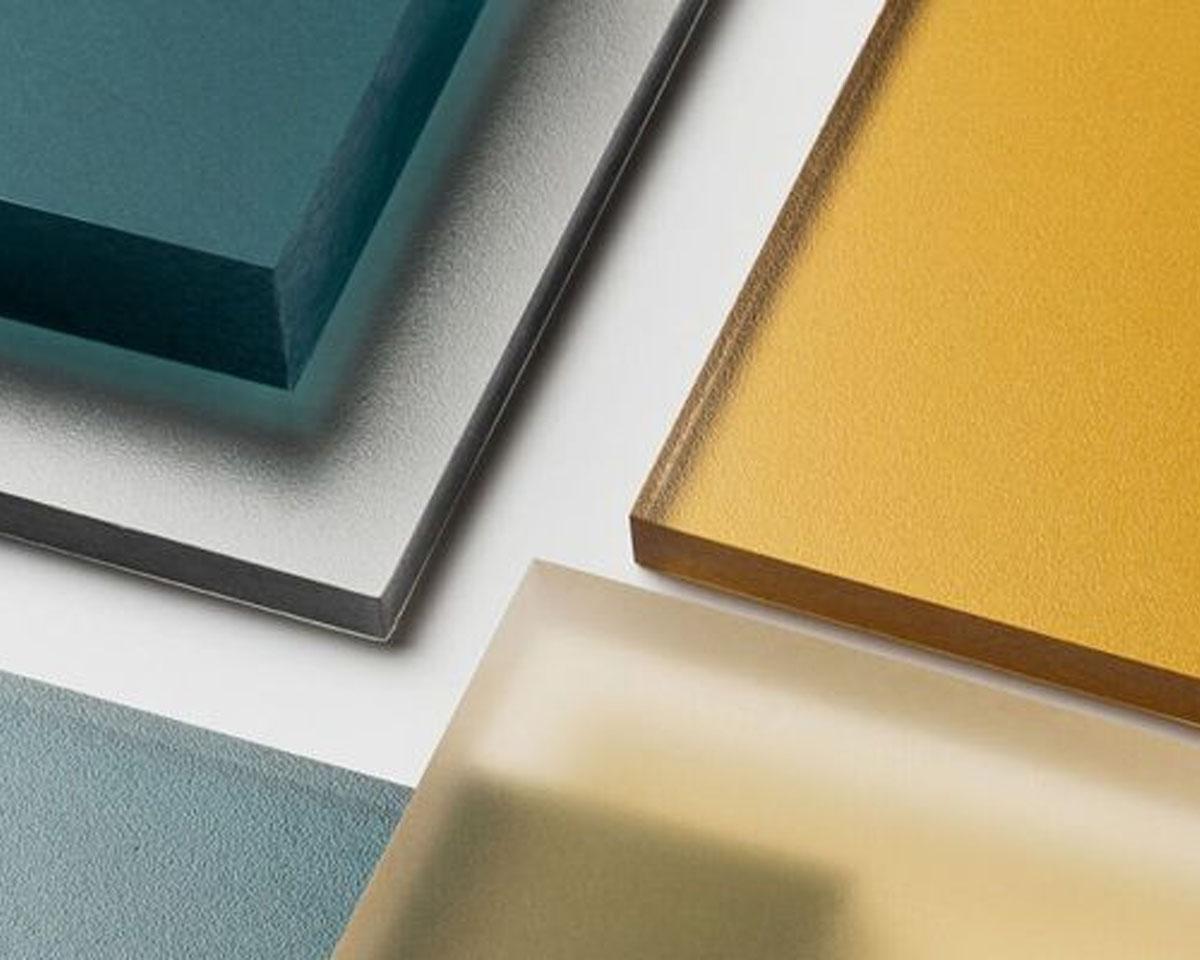
Panels Bencore

Features of LEED®

The LEED Green Building Rating Systems are voluntary, consensus-based, and market-driven. Based on existing and proven technology, they evaluate environmental performance from a whole building perspective over a building’s life cycle, providing a definitive standard for what constitutes a green building in design, construction, and operation.
The LEED rating systems are designed for rating new and existing commercial, institutional, and residential buildings. They are based on accepted energy and environmental principles and strike a balance between known, established practices and emerging concepts.
The allocation of points between credits is based on the potential environmental impacts and human benefits of each credit with respect to a set of impact categories. The impacts are defined as the environmental or human effect of the design, construction, operation, and maintenance of the building, such as greenhouse gas emissions, fossil fuel use, toxins and carcinogens, air and water pollutants, indoor environmental conditions. A combination of approaches, including energy modeling, life-cycle assessment, and transportation analysis, is used to quantify each type of impact. The resulting allocation of points among credits is called credit weighting.
Architects, real estate professionals, facility managers, engineers, interior designers, landscape architects, construction managers, lenders and government officials all use LEED to help transform the built environment to sustainability.

Contribution of Bencore panels to points allocation between LEED’s credits

Hereinafter you will find a list of LEED’s credits which Bencore panels (Starlight, Lightben and Hexaben) can contribute allocating points to. The reference text is LEED NC v3 rating system.

1. EA – Energy & Atmosphere
EA Credit 1: Optimize Energy Performance 1–19 Points
2. MR – Materials & Resources
MR Credit 1.1: Building Reuse — Maintain Existing Walls, Floors and Roof 1–3 Points
MR Credit 1.2: Building Reuse—Maintain Interior Nonstructural Elements 1 Point
MR Credit 3: Materials Reuse 1–2 Points
MR Credit 5: Regional Materials 1–2 Points

3. IRQ – Indoor Environmental Quality
IE Q Credit 4.3: Low-Emitting Materials—Flooring Systems 1 Point
IE Q Credit 8.1: Daylight and Views — Daylight 1 Point

1. EA Energy & Atmosphere

Intent
To verify that the project’s energy-related systems are installed, and calibrated to perform according to the owner’s project requirements, basis of design and construction documents. Benefits of commissioning include reduced energy use, lower operating costs, fewer contractor callbacks, better building documentation, improved occupant productivity and verification that the systems perform in accordance with the owner’s project requirements.
[…] Regulated (non-process) energy includes lighting (for the interior, parking garage, surface parking, façade, or building grounds, etc. except as noted above), heating, ventilation and air conditioning (HVAC) (for space heating, space cooling, fans, pumps, toilet exhaust, parking garage ventilation, kitchen hood exhaust, etc.), and service water heating for domestic or space heating purposes.

EA Credit 1: Optimize Energy Performance

1–19 Points
Intent
To achieve increasing levels of energy performance beyond the prerequisite standard to reduce environmental and
economic impacts associated with excessive energy use.

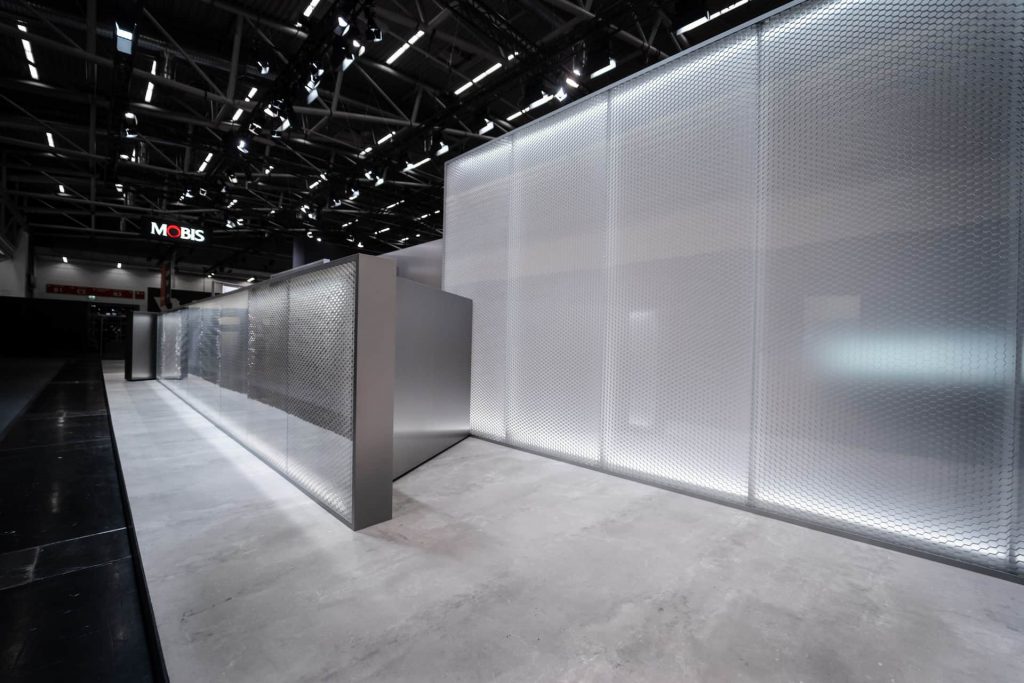
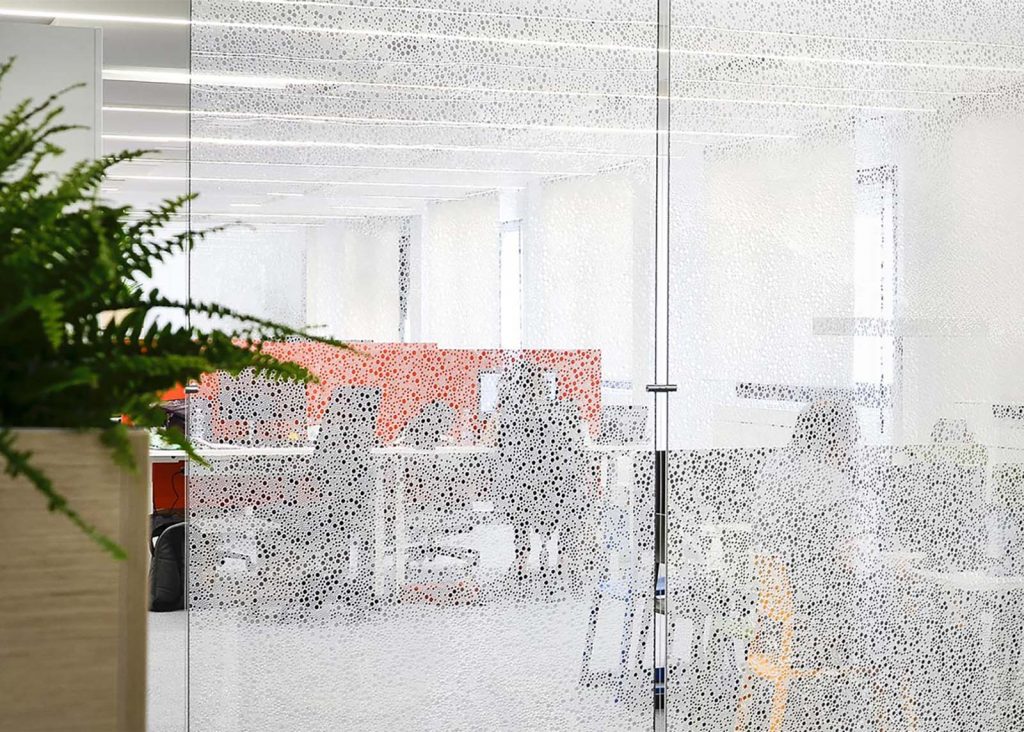
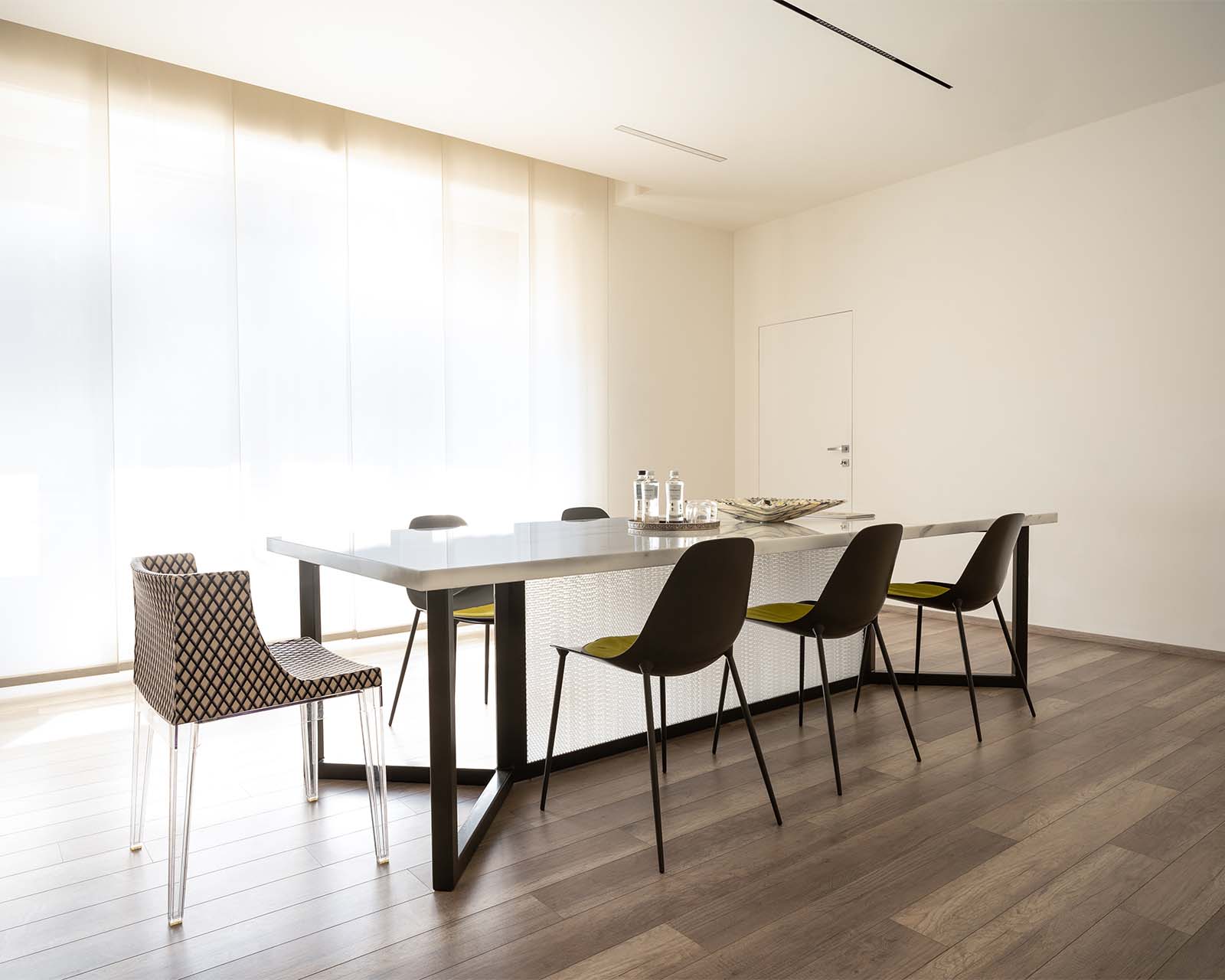
Thanks to Bencore product families Starlight, Lightben and Hexaben architects can design architectural elements like dividing walls, roof lights, false-ceilings, doors, floors, stairs elements etc. with translucent materials that let the natural light reaching inner parts of the building without sacrificing privacy of working / living spaces. So you can achieve a reduction in energy consumption for lighting systems, improving occupant well-being.
Light Transmission tests on Bencore panels are in progress and you will find them on our internet site www.bencore.it.

2. MR – Materials & Resources

The building envelope is an important component of a facility that impacts energy consumption, occupant comfort and indoor air quality.
Building activity produces a great anount of solid construction waste. Achieving LEED credits in “Material and Resources” (MR) topic means a reduction of construction waste and improve building ambient quality selecting material and managing building waste. In this topic credits focuses on to important subjects: environmental impact of materials used in the project and reduction of waste disposal in dump and incinerator plants.
Reuse of existing building stock instead of building new ones, is of of the most effective strategies to minimize environmental impact. Reusing some components of the building waste material can be reduced. Reusing an existing building reduces pollution in the habitat surroundings and no need to build new facilities like new streets and infrastructures.
Recycling building materials brings to new products that otherwise should use virgin materials avoiding raw material production / extraction and also reducing the volume brought to waste dumps.

MR Credit 1.1: Building Reuse: Maintain Existing Walls, Floors and Roof

1–3 Points
Intent
To extend the lifecycle of existing building stock, conserve resources, retain cultural resources, reduce waste and reduce environmental impacts of new buildings as they relate to materials manufacturing and transport.

Requirements
Maintain the existing building structure (including structural floor and roof decking) and envelope (the exterior skin
and framing, excluding window assemblies and non-structural roofing material).

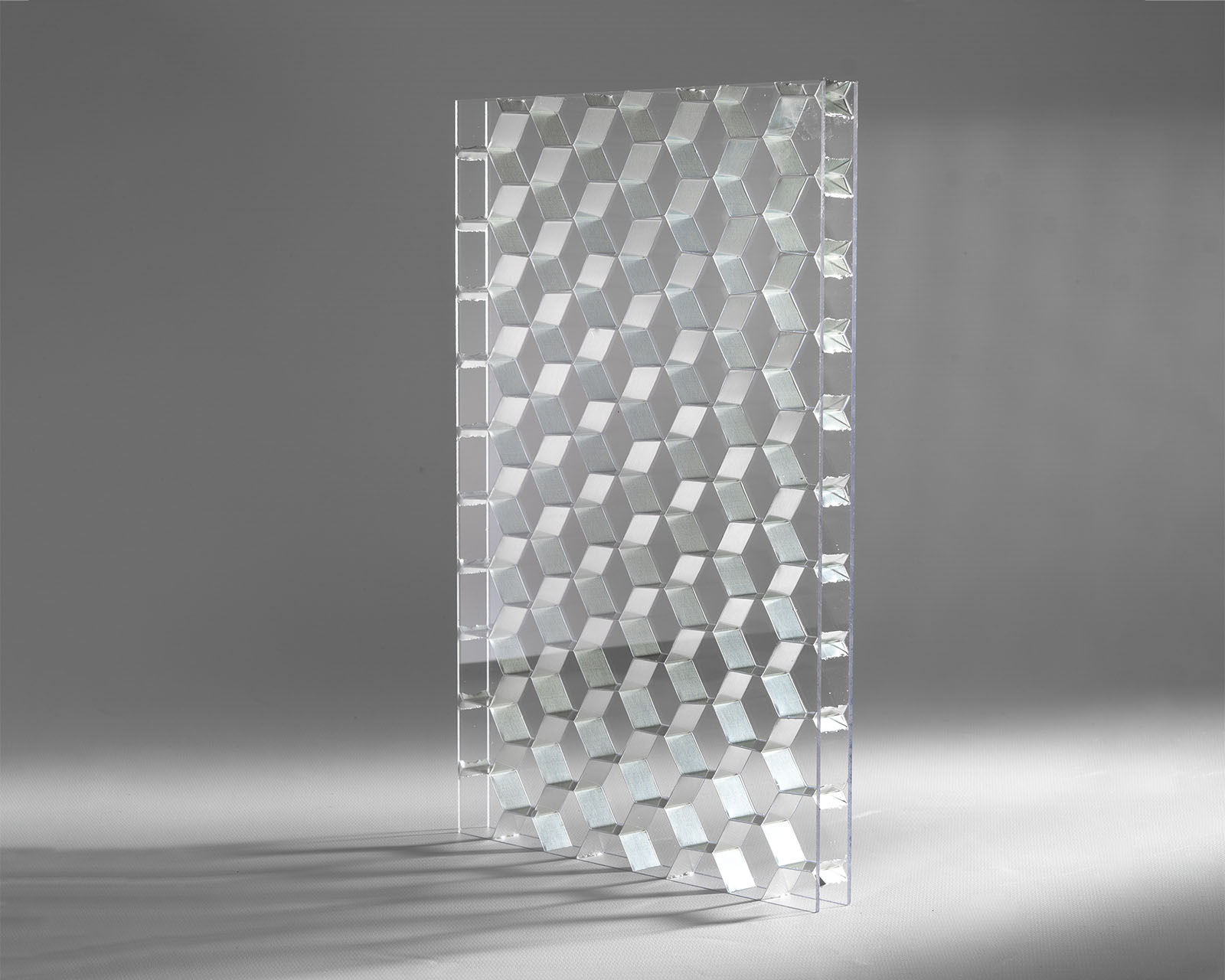
All Bencore family products Starlight, Lightben and Hexaben are extremely light in weight thanks to their honeycomb core that provides light weight against an high stiffness. Architects can use Bencore panels in building renovation with a special attention to materials that do not add excessive load to existing walls and structures.
Used as partition walls, doors, false-ceillings, Bencore panels give an answer to a strategy aimed at refurbish building so reducing environmental impact due to old building demolition and new building construction.

MR Credit 1.2: Building Reuse—Maintain Interior Nonstructural Elements

1 Point
Intent
To extend the lifecycle of existing building stock, conserve resources, retain cultural resources, reduce waste and
reduce environmental impacts of new buildings as they relate to materials manufacturing and transport.

Requirements
Use existing interior nonstructural elements (e.g., interior walls, doors, floor coverings and ceiling systems) in at
least 50% (by area) of the completed building, including additions.

Thanks to Bencore product families Starlight, Lightben and Hexaben architects can design architectural elements like dividing walls, roof lights, false-ceilings, doors, floors, stairs elements etc. with translucent materials that let the natural light reaching inner parts of the building without sacrificing privacy of working / living spaces. So you can achieve a reduction in energy consumption for lighting systems, improving occupant well-being.
Light Transmission tests on Bencore panels are in progress and you will find them on our internet site www.bencore.it.

MR Credit 3: Materials Reuse

1–2 Points
Intent
To reuse building materials and products to reduce demand for virgin materials and reduce waste, thereby lessening impacts associated with the extraction and processing of virgin resources.

Requirements
Use salvaged, refurbished or reused materials, the sum of which constitutes at least 5% or 10%, based on cost, of the total value of materials on the project

Bencore product families Starlight, Lightben and Hexaben can be reused after refurbishment of a building achieving a new life cycle: Bencore panels can be polished – especially those with surfaces in acrylic – and re-machined for a new use / life so avoiding production of material for waste disposal and consumption of new materials.
For more information on this topic, please, contact Bencore Technical Office (lab@bencore.it).

MR Credit / option 1: Regional Materials

1–2 Points
Intent
To increase demand for building materials and products that are extracted and manufactured within the region, thereby supporting the use of indigenous resources and reducing the environmental impacts resulting from transportation.

Requirements
OPTION 1:
Use building materials or products that have been extracted, harvested or recovered, as well as manufactured,
within 350 Km of the project site for a minimum of 10% or 20%, based on cost, of the total materials value. If only
a fraction of a product or material is extracted, harvested, or recovered and manufactured locally, then only that
percentage (by weight) can contribute to the regional value.
Bencore panels can contribute to allocate LEED points to this credit when used within the area highlighted on the map.


3. IRQ – Indoor Environmental Quality

In European countries people spend about 90% of their days inside buildings. This means that the building quality standards greatly influence well-being, productivity and quality of life.
Studies on people exposition to indoor polluting agents demonstrates that closed places show danger to health sometimes twice higher than outdoor places.
Indoor polluting agents can come out from buildings, furniture or form chemical components (paintings, smoke, radon, asbestos, benzene …)
A practical way to prevent these problems is to include in the tender specification, materials less dangerous for human health and with low chemical emissions. Adhesives, paintings, carpets, wooden products with low potentially-irritating emissions can reduce people exposition and lower heath damage.
A convenient scheduling of material delivery and building works execution can reduce exposition of material to humidity and to contaminants adsorption.
Sun light reduces the need of electric light and so of energy consumption. This contributes to lower the impact on natural environment for energy production and consumption.
Courtyards, entrance-halls, rooflights, lamps, external shelters, adjustable shutters used alone on together, are strategic architectonical solution to get a natural lighting until late time.

IE Q Credit 4.3 / option 2: Low-Emitting Materials—Flooring Systems

1 Point
Intent
To reduce the quantity of indoor air contaminants that are odorous, irritating and/or harmful to the comfort and
well-being of installers and occupants.

Requirements
OPTION 2:
All flooring elements installed in the building interior must meet the testing and product requirements of the California Department of Health Services Standard Practice for the Testing of Volatile Organic Emission from Various Sources Using Small-Scale Environmental Chambers, including 2004
Bencore Starlight Floor is a composite panel produced using low-emissive adhesives. Starlight Floor can be used for floors, steps, platforms giving a contribution to allocate points for the present credit.

Related Credit: IEQ 8.1

IE Q Credit 8.1: Daylight and Views—Daylight

1 Point
Intent
To provide building occupants with a connection between indoor spaces and the outdoors through the introduction of daylight and views into the regularly occupied areas of the building.

Thanks to Bencore product families Starlight, Lightben and Hexaben architects can design architectural elements like dividing walls, roof lights, false-ceilings, doors, floors, stairs elements etc. with translucent materials that let the natural light reaching inner parts of the building without sacrificing privacy of working / living spaces. So you can achieve a reduction in energy consumption for lighting systems, improving occupant well-being.
Light Transmission tests on Bencore panels are in progress and you will find them on our internet site www.bencore.it

Related Credit:IQI 6.1

Green Building

Bencore Srl Via S. Colombano 9 - 54100 Massa (MS) - Phone +39 0585 830129 - Fax +39 0585 835167 - info@bencore.it
P. IVA 00721540458
Sitemap xml

Ultima revisione sito: Novembre 2011